Anyone learning French in a non-French speaking country understands how slow the learning process is. Really, how do you learn to speak another language when all you hear is your own?
Most of us are comfortable with the writing and reading parts of learning French but not many us are comfortable speaking it – regardless of level. So much of spoken language is not just about putting the language together, it also involves creating the right sounds, intonations and knowing the “flow” of the language.
 Why are our spoken skills so poor? Well, there is the fear of making mistakes, a vital part of learning anything and there is a definite lack of exposure to the French language.
Without day-to-day exposure, learning a foreign language is an up-hill battle. Even if you don’t understand what is being said, passive listening to spoken language paves the way for later success.
Think of a child who typically learns an entire language in 5 years or less! No grammar books, no vocabulary builders – just lots and lots of exposure and good language modelling from the people in their lives.
So how can we get this exposure without living in a French speaking country?
Here are a few of the ways you can increase your exposure to French by listening to the language actively and passively.
Both are important to learning and both can help improve your spoken French.

Passive Listening
Do you have the TV or radio on in the background when your doing something? You’re not really concentrating on it but you tune in every now and again? This is passive listening, something you can do for extended periods of time because you’re not really focused on it.
Listening to French in a passive way increases your exposure without much effort. So you might not be trying to decipher each sentence but the flow, the sounds and commonly used expressions are all being heard.
It might be tempting to listen to slower than normal French but for passive listening, the idea is to hear it as it happens and let your brain “take in” what it wants to.
French Music
Music is great way to listen to French, you can enjoy a song without knowing what is being said.
French Radio
Digital and online radio are a great way to listen to French in real time. A little bit of news from France keeps you connected with the country and language and can help keep you going when your studies seem slow.
French Movies and TV
It might be too tempting to sit and watch a French movie with subtitles rather than have it on in the background while you do other things, so this might not be the best option for you.
If you can tear yourself away, playing French movies and TV is a great way of “touching” a bit a French without the effort.
Great ways to passively listen to French
Listen to French;
- in the car
- during exercise
- waiting for a bus
- riding on the train
- checking emails/facebook/etc.
Or any other way you can think of that doesn’t involve you actually concentrating on it.
Active Listening
Taking the time to concentrate on and understand spoken French involves a certain amount of active listening. It engages our cognitive processes requiring us to think.
Active listening is best done in short bursts, ideally with exercises or practice opportunities and usually the difficulty of the exercises increase as you improve. So a slower than normal French podcast is helpful for the beginner but not for the intermediate and advanced student.
There are a number of great resources with free podcasts and transcriptions you can access. Here are a few of our favourites;
Remember, sustained listening to “slower than normal” spoken French can hinder your learning. Always try to listen to the speed just above the level your comfortable with. Active listening is about concentrating and figuring things out, so push yourself from time to time!
Little and often is best
Try a little passive listening everyday, have French radio on in the background or listen to some French music on the bus or train. You’ll find it’s easier to pluck up the courage to speak in class when your familiar with the language sounds.
Continue your learning by adding some active listening to your week. Use one of the podcast programs, audio books or lessons. Ask your teacher for suitable resources for your level and enjoy the journey!
Different people find different tools and resources helpful, follow the link to see the ones that I found particularly useful.

The picture of the little dog with attentive ears is courtesy of “scottchan” from “Freedigitalphotos.net”
You might also be interested in…
Learn to pronounce the French R
How do French Accents work
Our list of difficult French sounds for English speakers
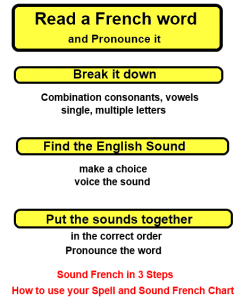
Pronounce ANY French word using our free phonics charts
Interactive Audio Lounge





Speak Your Mind